


Farnese
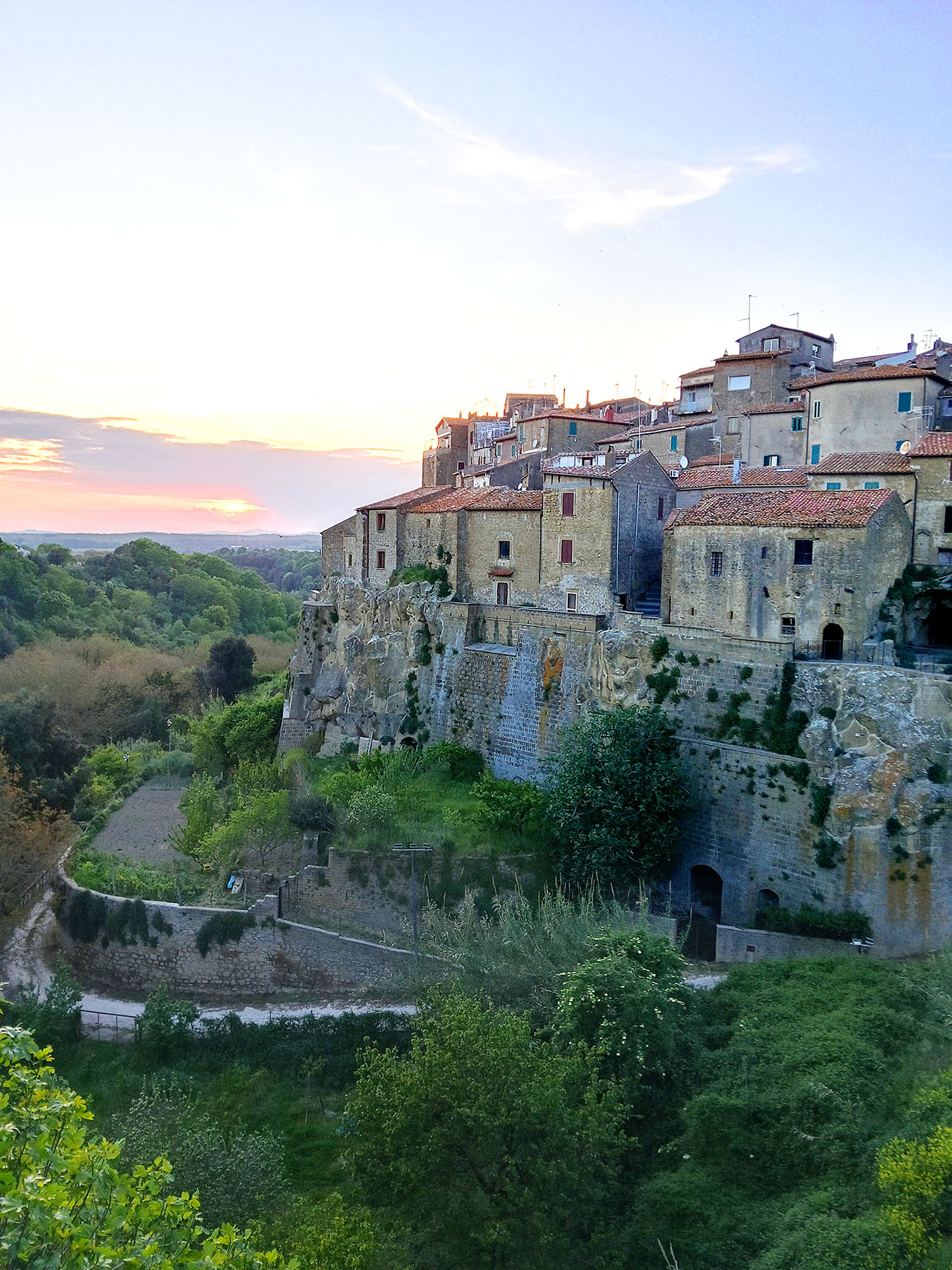
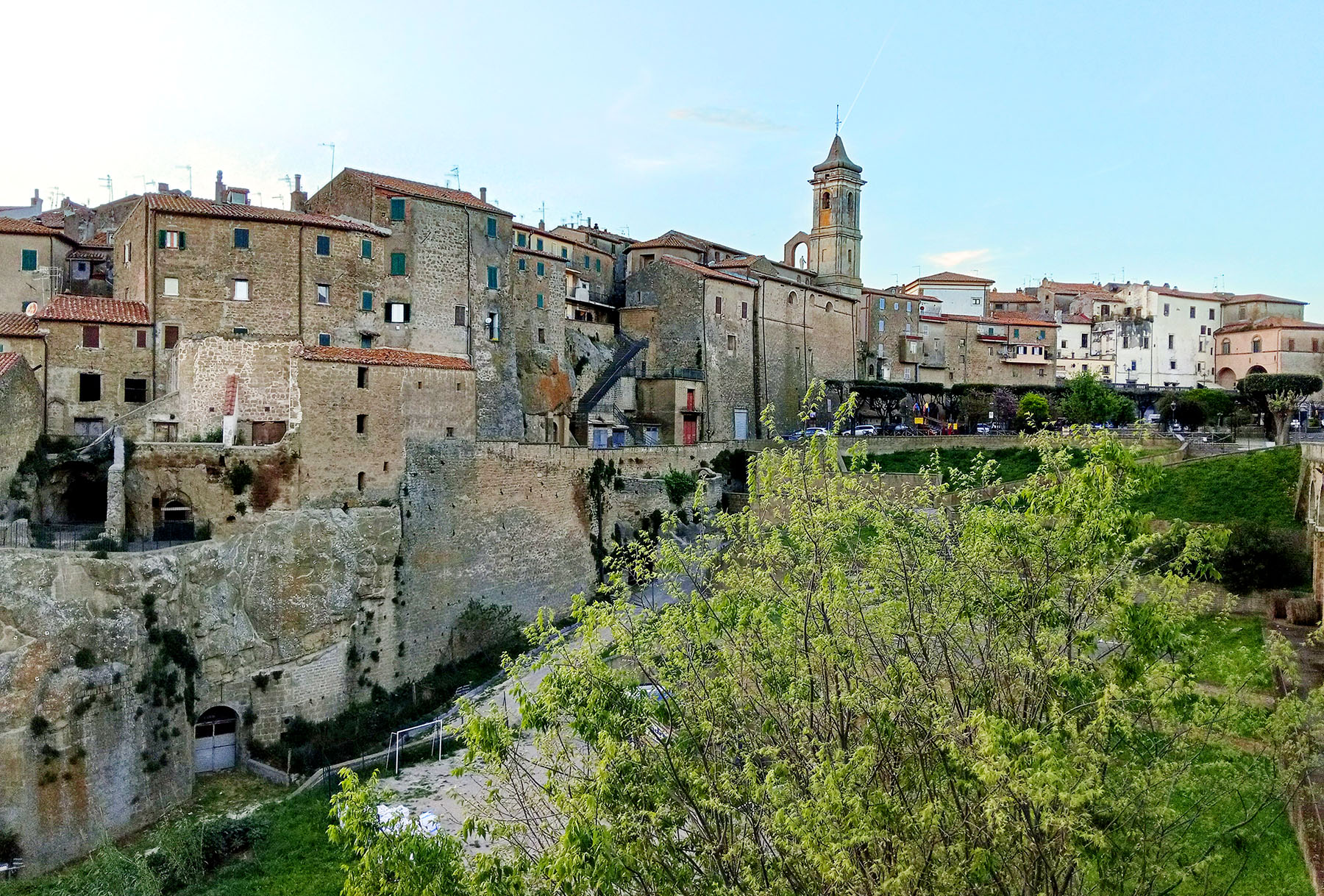
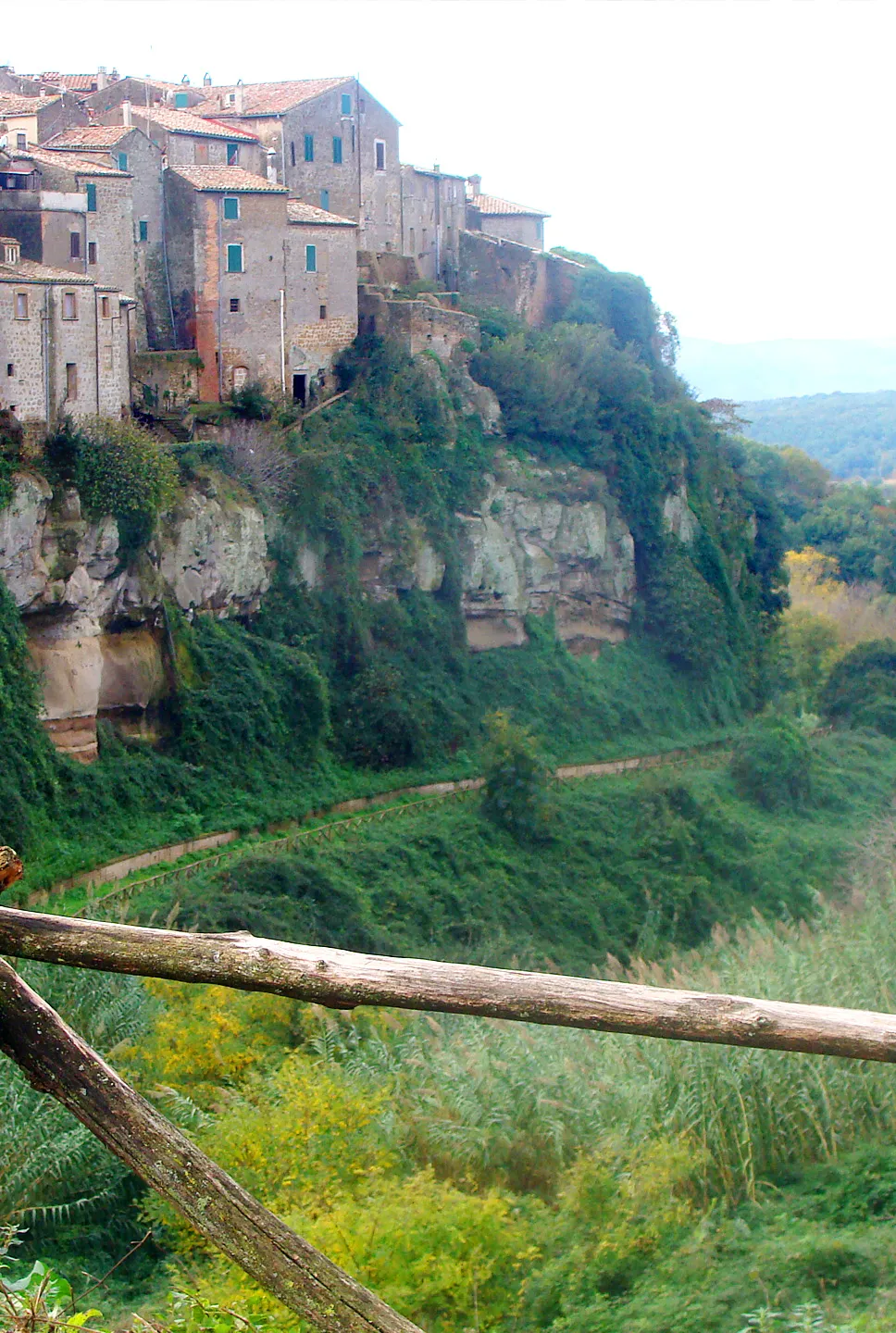
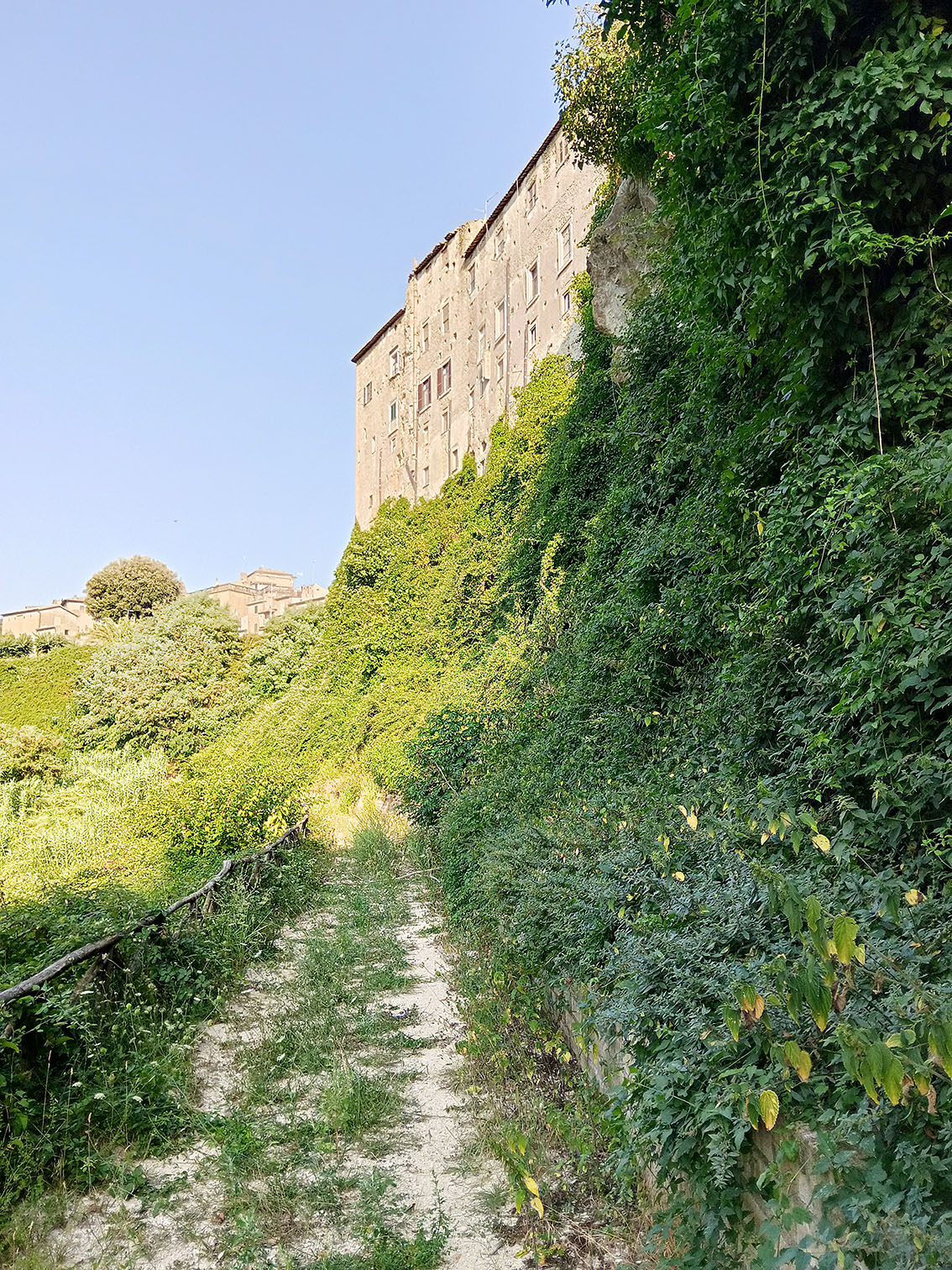
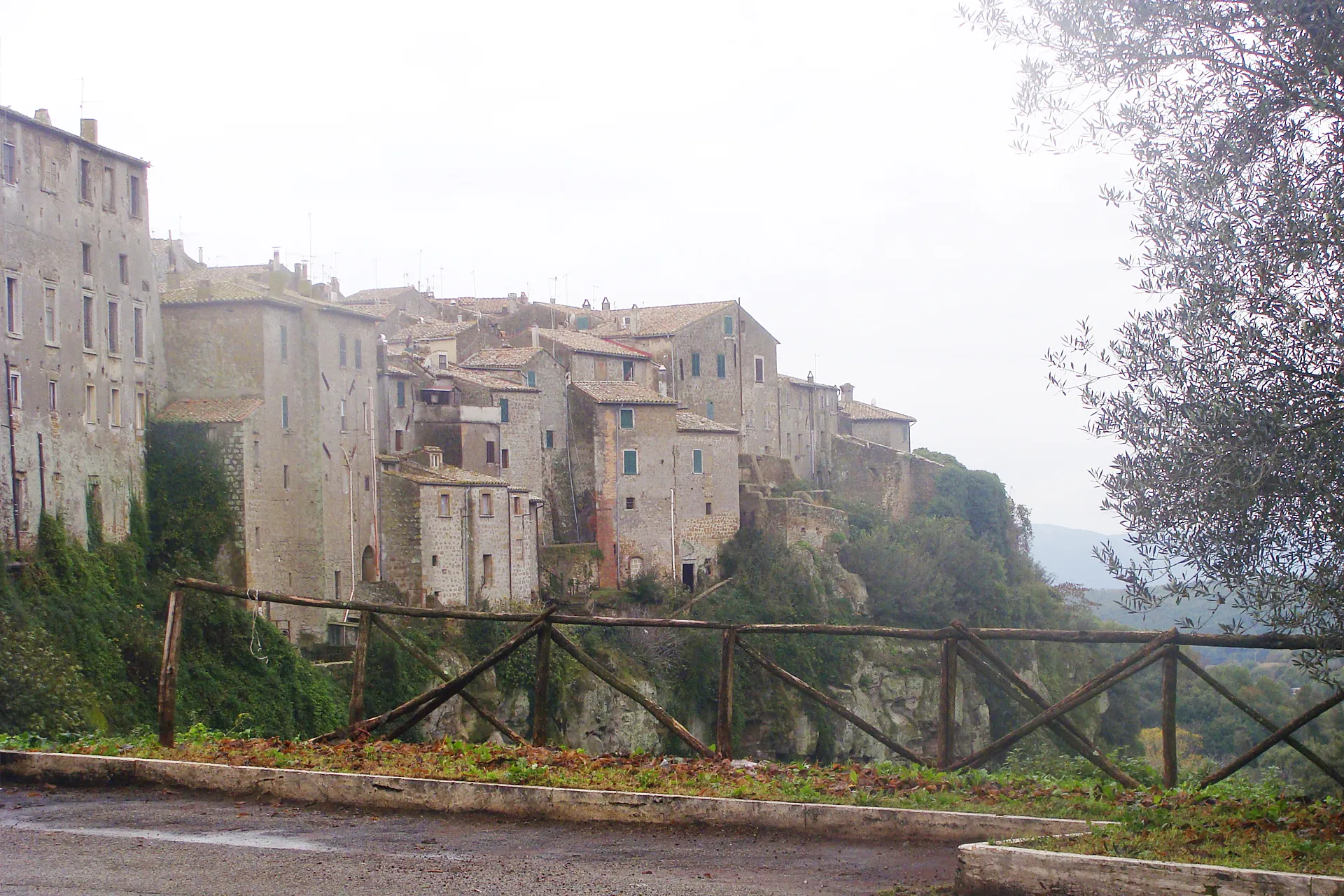
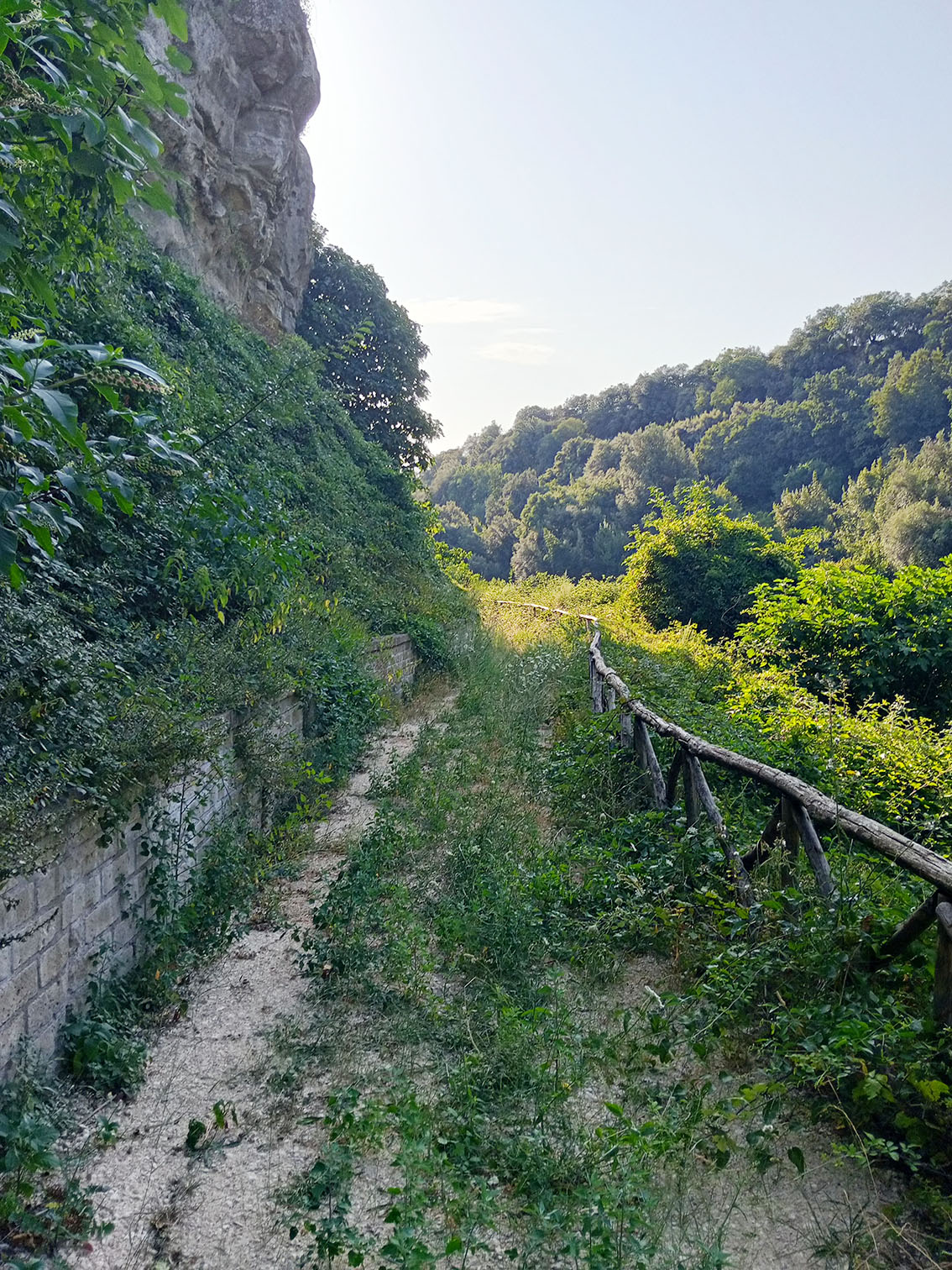
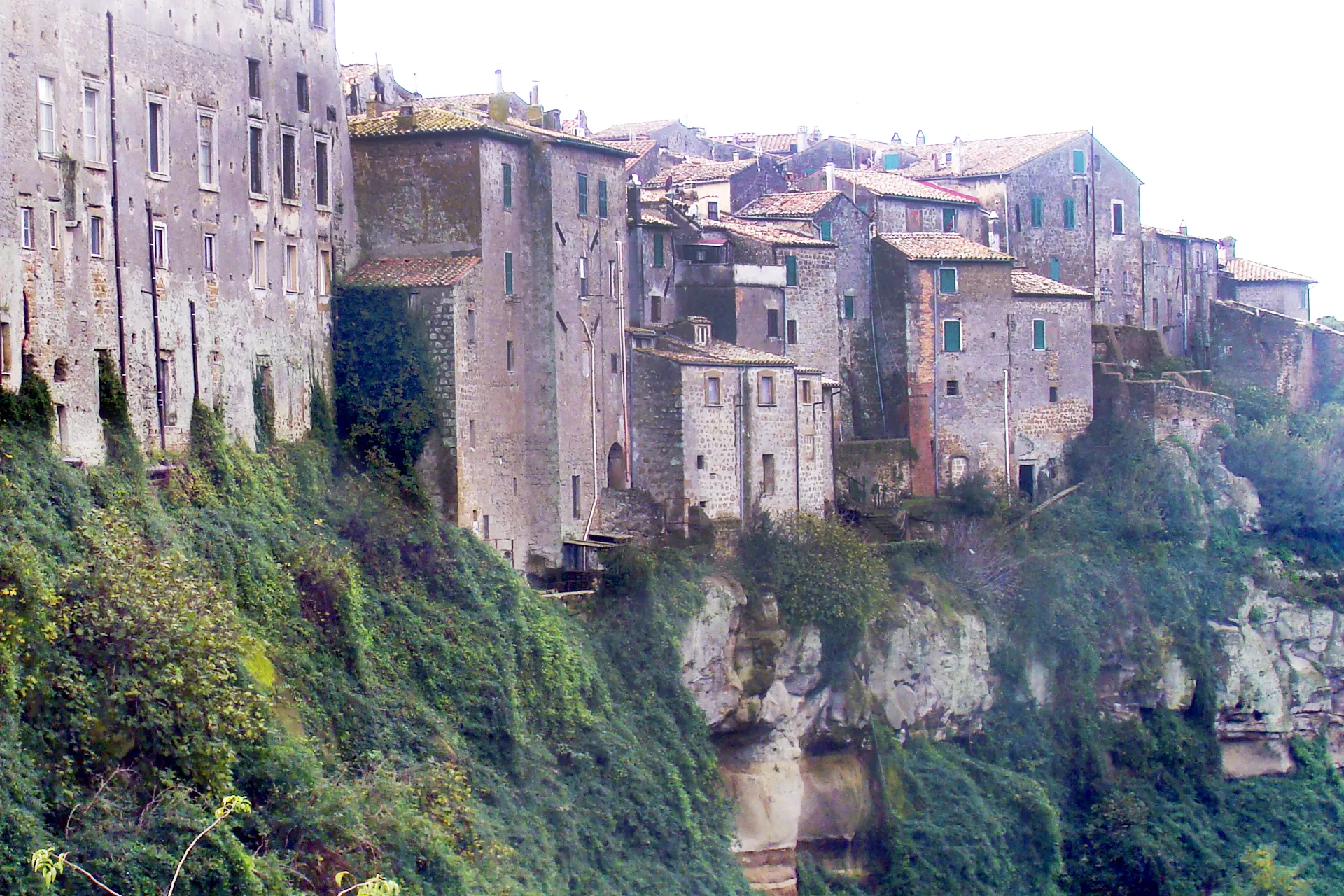
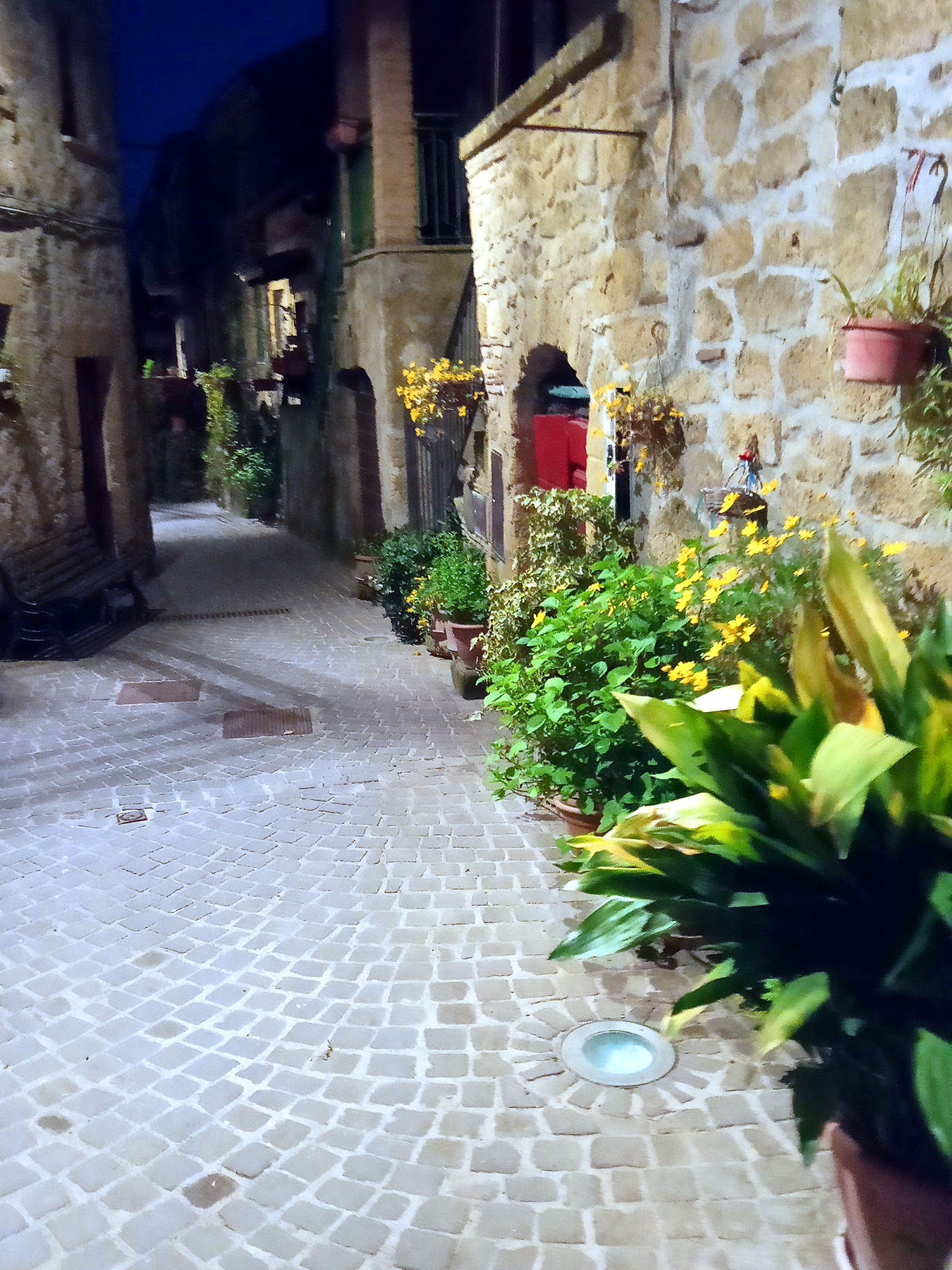
Farnese (Lazio Region, Province of Viterbo) is a peaceful, authentic town in Tuscia—with a maze of stone lanes, tuff-stone houses, and a truly “slow” atmosphere. It’s ideal for travelers looking for quiet, nature walks, and a convenient base for exploring the area’s hidden gems.
A brief history
The Farnese area has been inhabited since the Paleolithic, and during the Bronze Age (12th–10th century BC) and later periods the Etruscan civilization left a strong imprint here (including road networks and burial rites). In the Middle Ages the settlement developed around what is now the historic center and appears in a document from 1210. From the late 13th century onward, it became closely linked to the Farnese family, which left its deepest mark during the Renaissance.
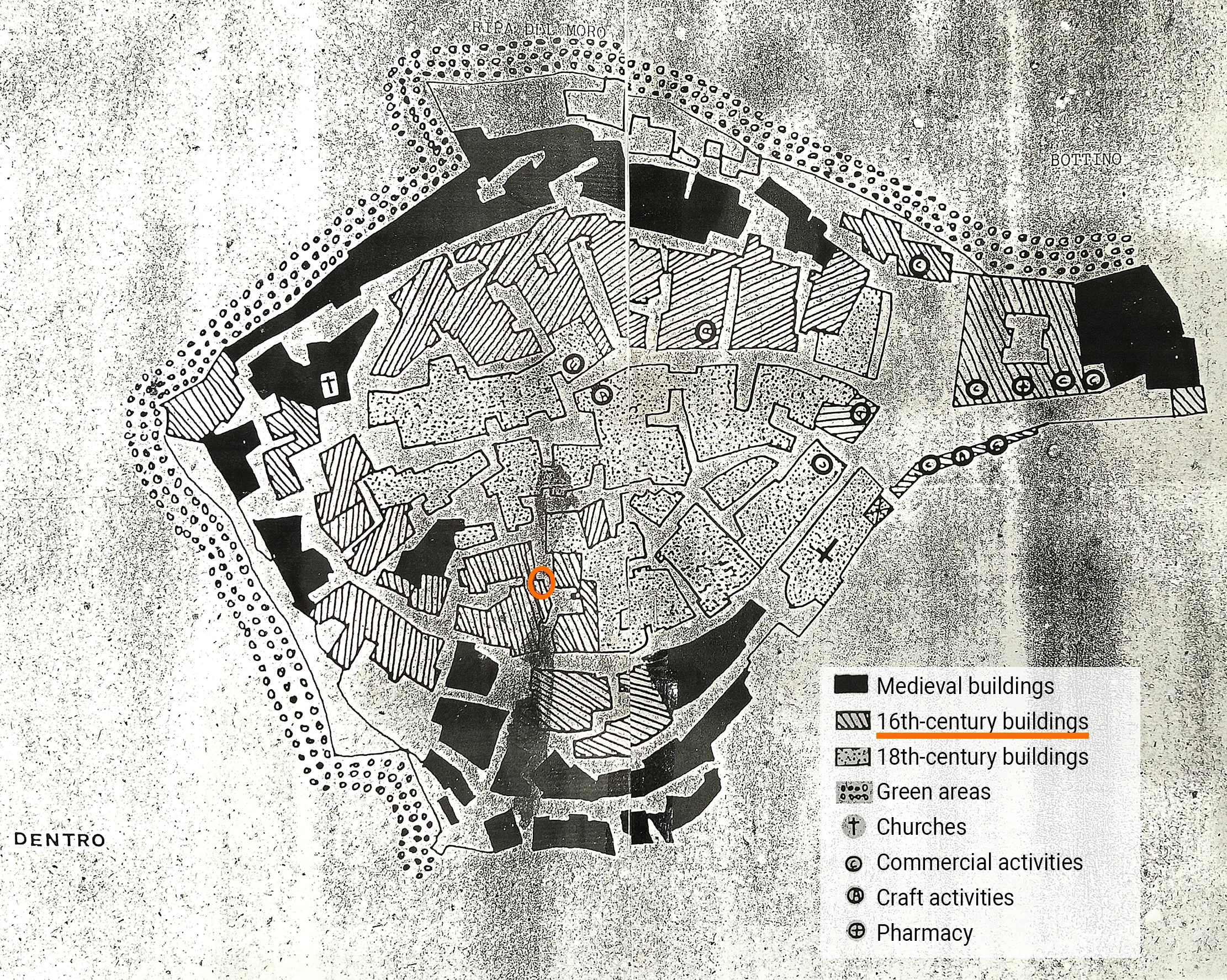
Map showing the periods in which the buildings of the old town of Farnese were constructed. The location of Casa di Asate is marked with an orange circle.
What to see in town
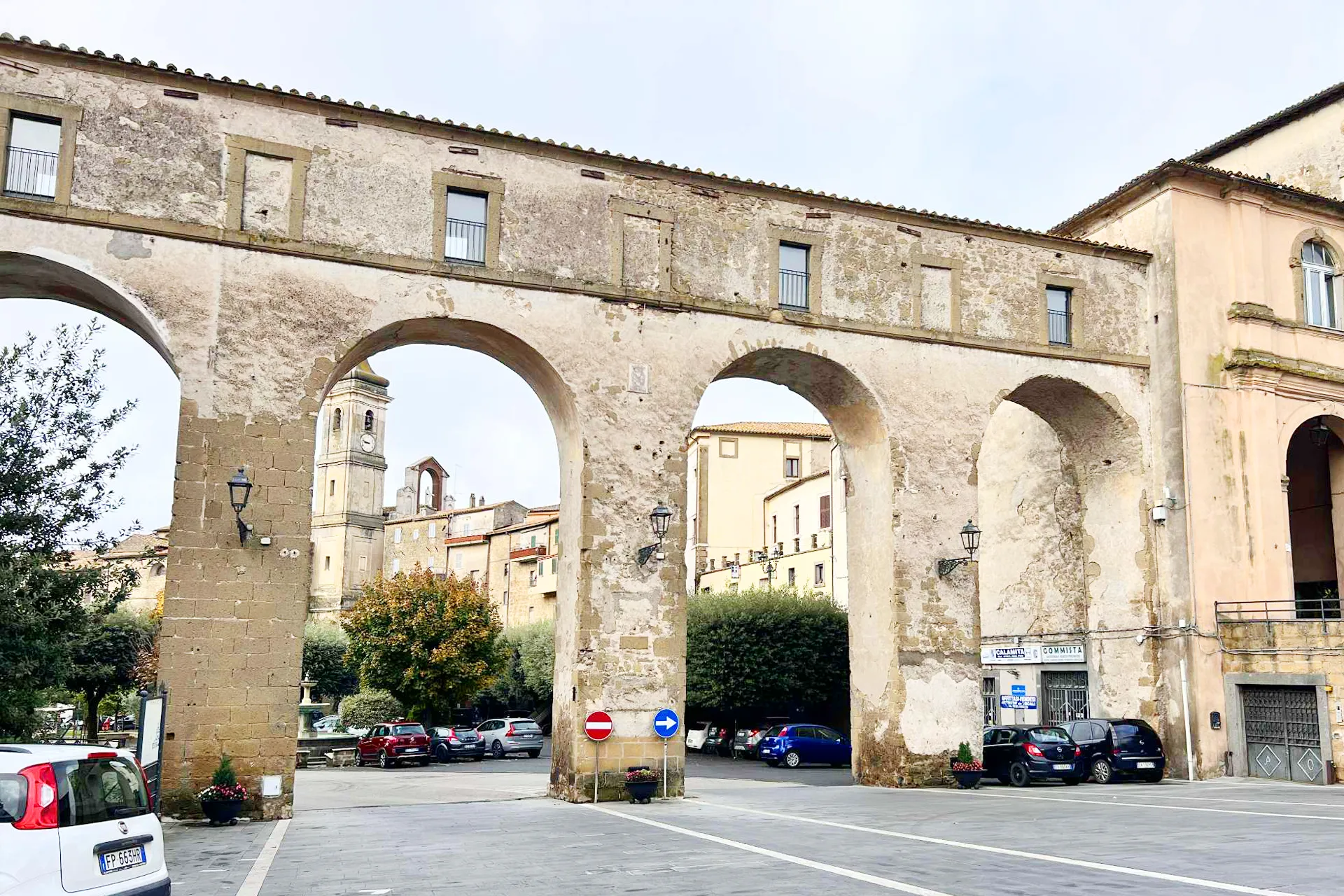
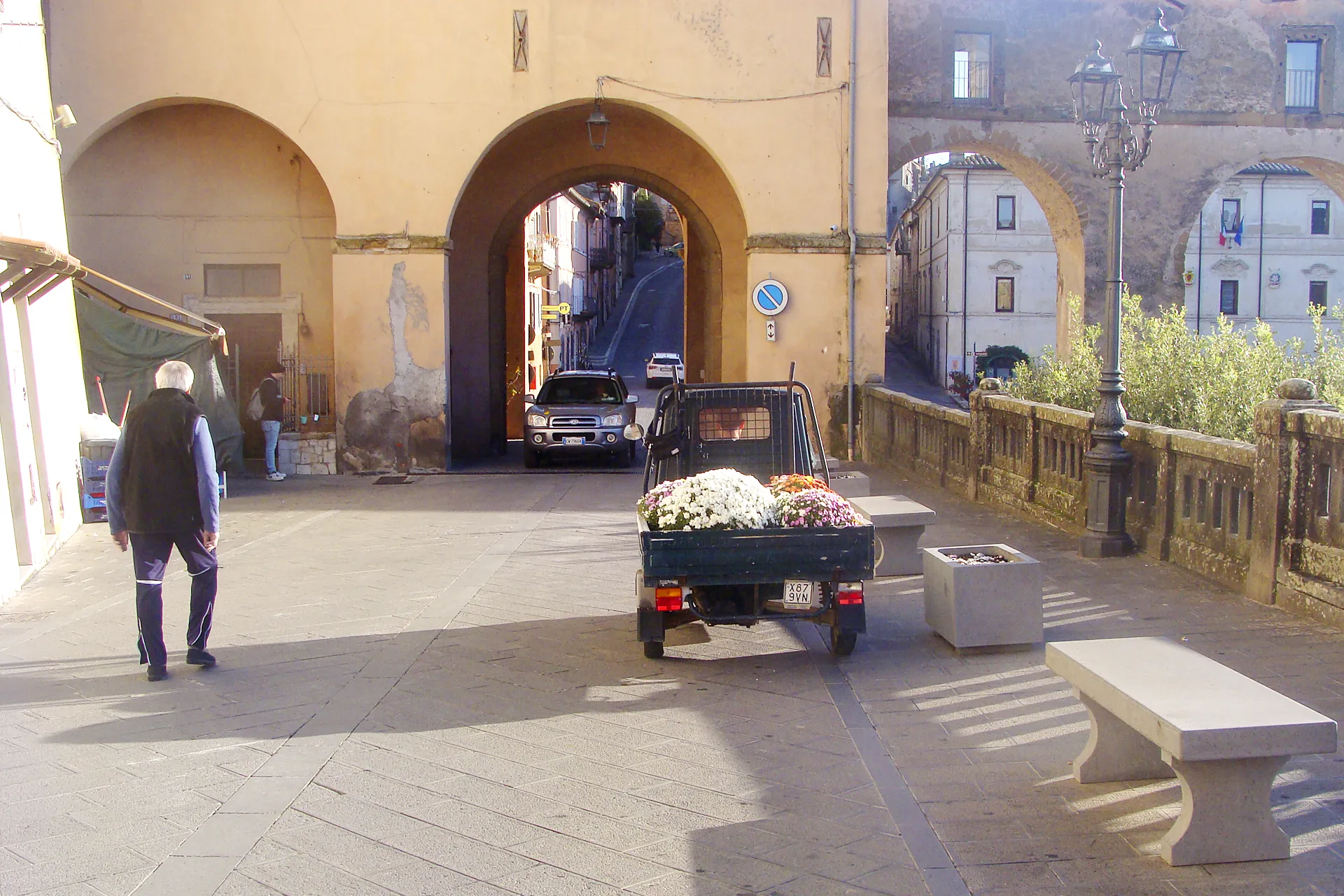
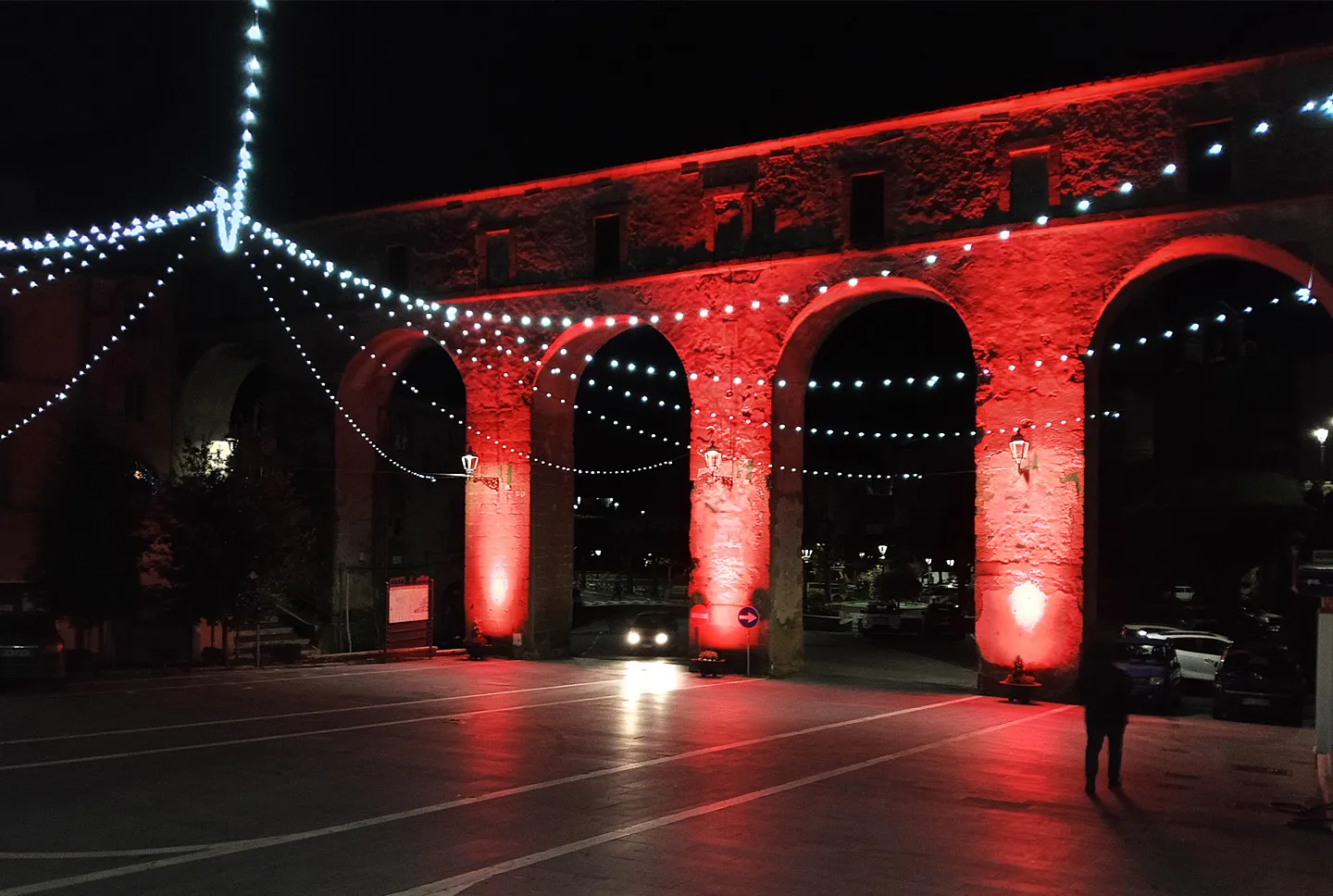
- Historic center – entrance via Porta Nuova (1613). This is the greatest treasure of Farnese, a labyrinth of narrow streets and stone houses decorated with plants, where life has been flowing continuously since medieval times.
- La Rocca – once a fortress, later a residence; it is accessed directly from Porta Nuova.
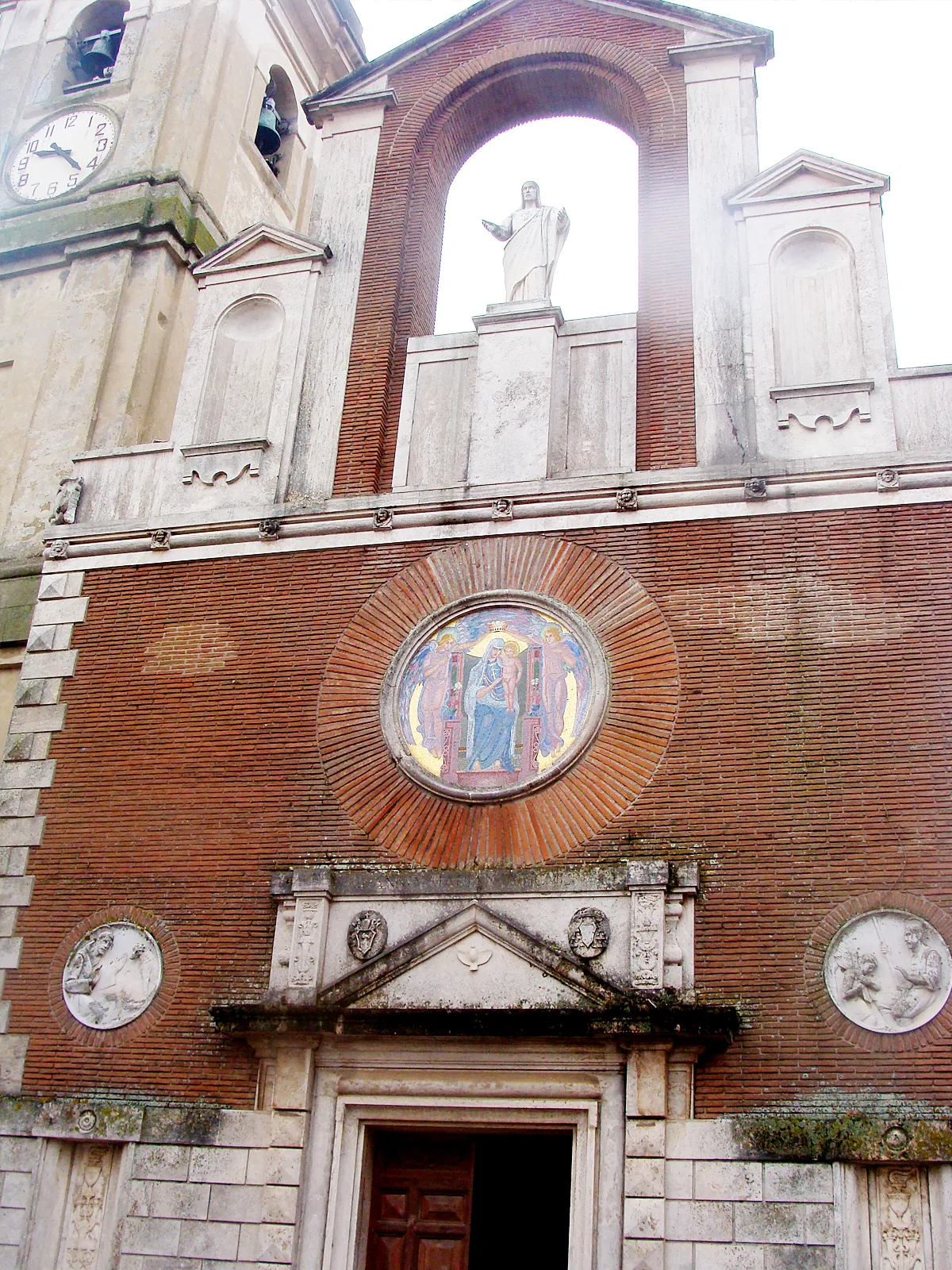
- Church of the Santa Maria della Neve – the oldest place of worship in Farnese, with a long history and interesting interior details.
- Ceccarini Chigi Palace (Town Hall) – a distinctive building with decorative elements and rooms where, among other things, relocated frescoes are displayed.
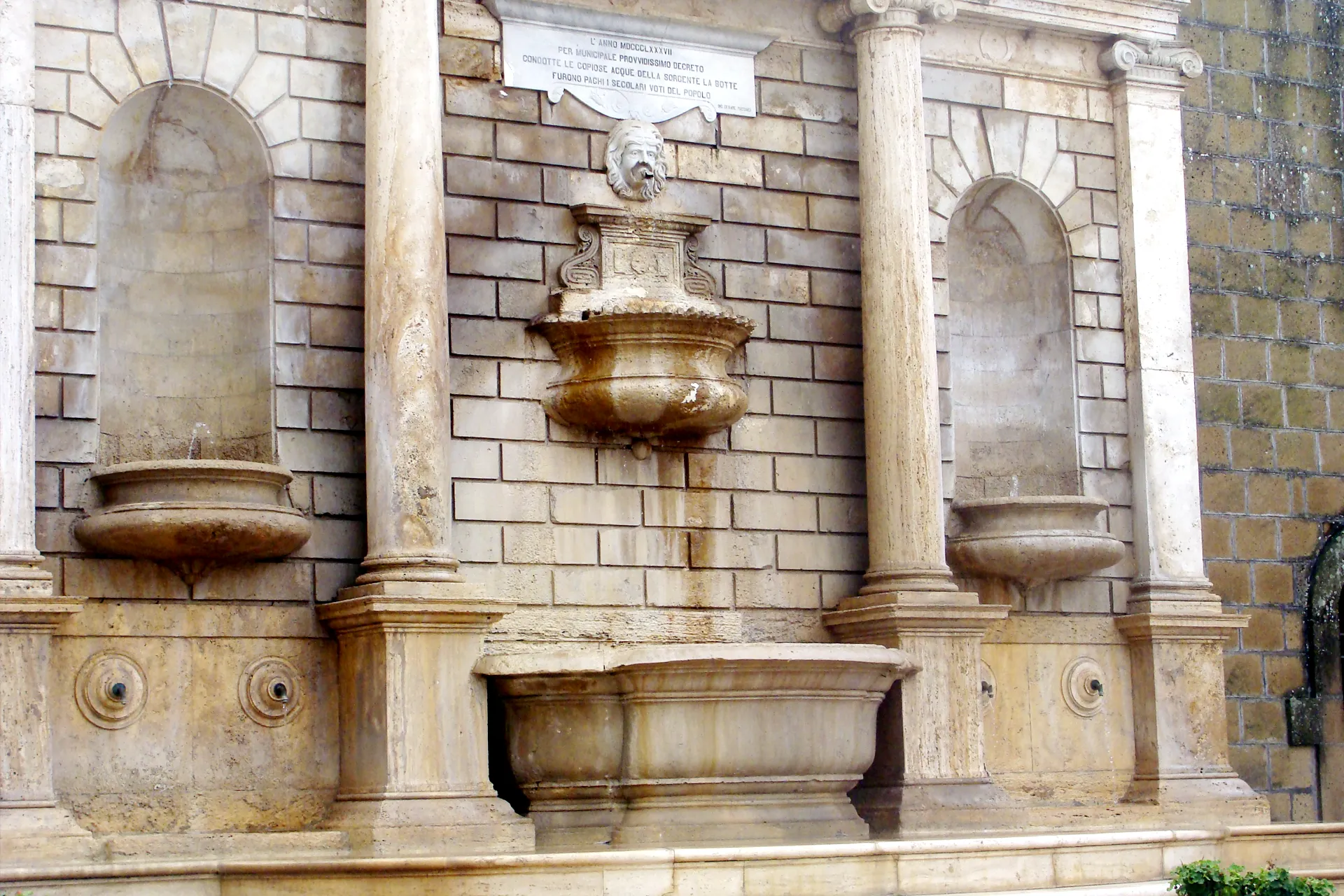
- The fountain in the main square – connected to the aqueduct that brought water to the town center in the late 19th century (designed by Cesare Tuccimei).
- Church of the Santissimo Salvatore – Farnese’s main church, expanded in 1596; it features works attributed to Orazio Gentileschi and Anton Maria Panico, as well as relics of Saint Flavius (the town’s patron until 1815).
- Platoni Palace – recognizable by its striking portal (echoing the portal of Palazzo Farnese in Caprarola).
- Museums:
- Museo Civico “F. Rittatore Vonwiller” – hundreds of artifacts from prehistory to the modern era, also linked to Selva del Lamone.
- Mostra Permanente “Sulle ali della Storia” (opened in 2024) – a memorial space dedicated to local events of World War II.
Selva del Lamone – the “stone forest”
Just a few kilometers from Farnese begins the Selva del Lamone Nature Reserve: over 2,000 hectares of wild woodland, gorges, and trails in a landscape shaped by ancient lava flows (around 150–50 thousand years ago). The reserve was established in 1994.
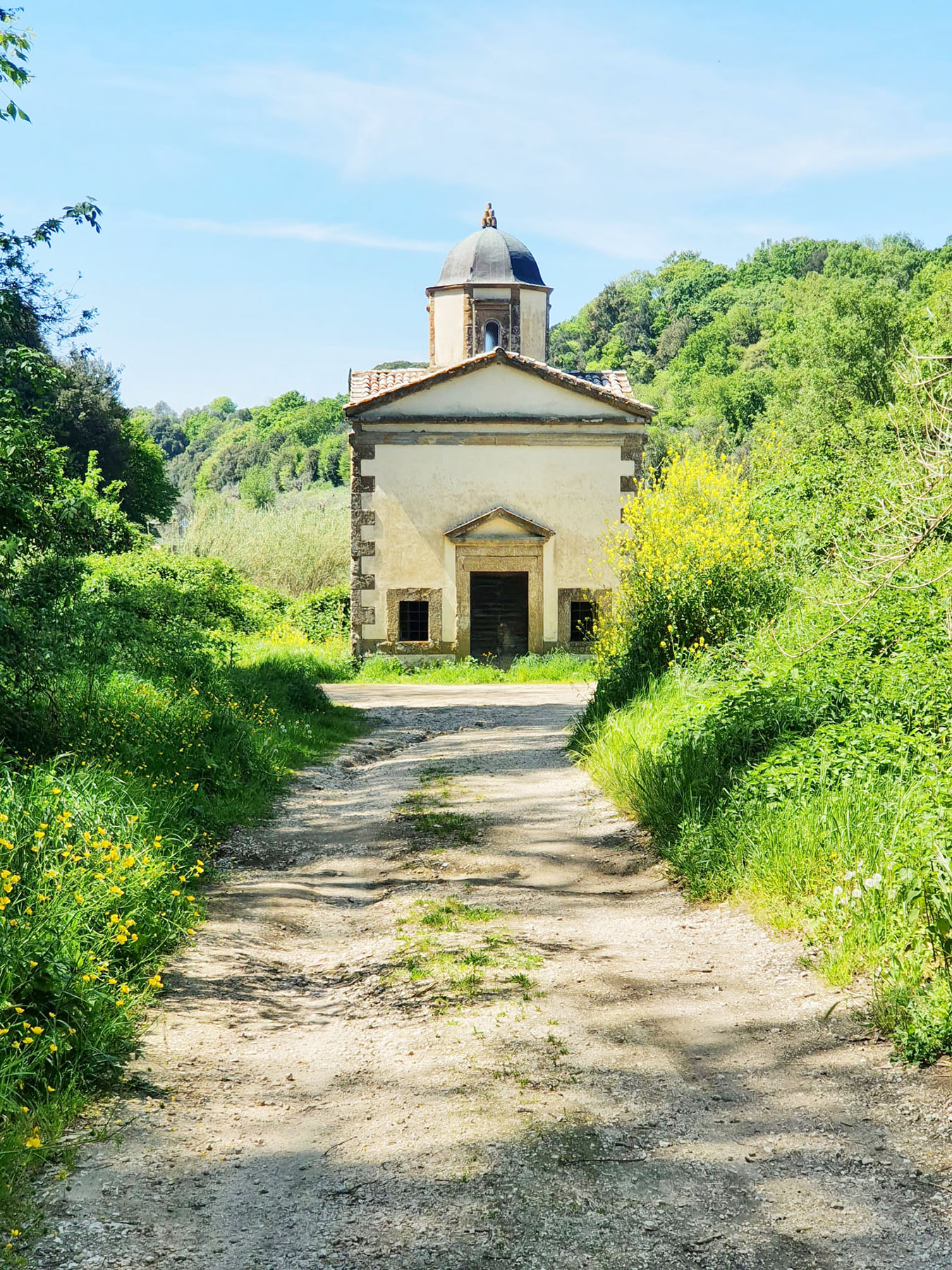
In the Olpeta River valley you’ll find popular walking destinations—the Pelicotonno Waterfall and Salabrone Waterfall—and on the edge of the reserve lies the Santa Maria di Sala complex (medieval, 12th century, restored in 2013–2014).
Farnese and Pinocchio
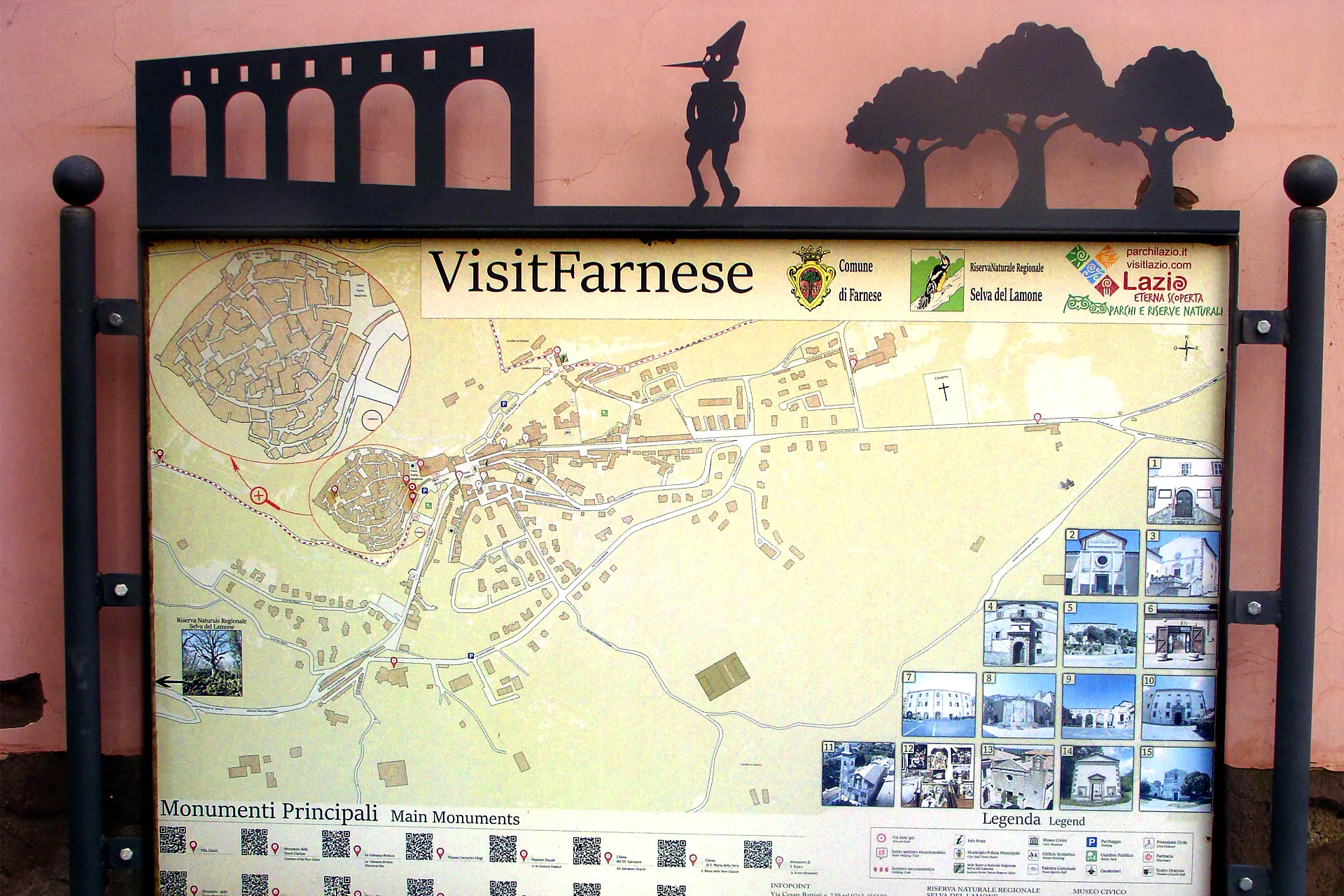
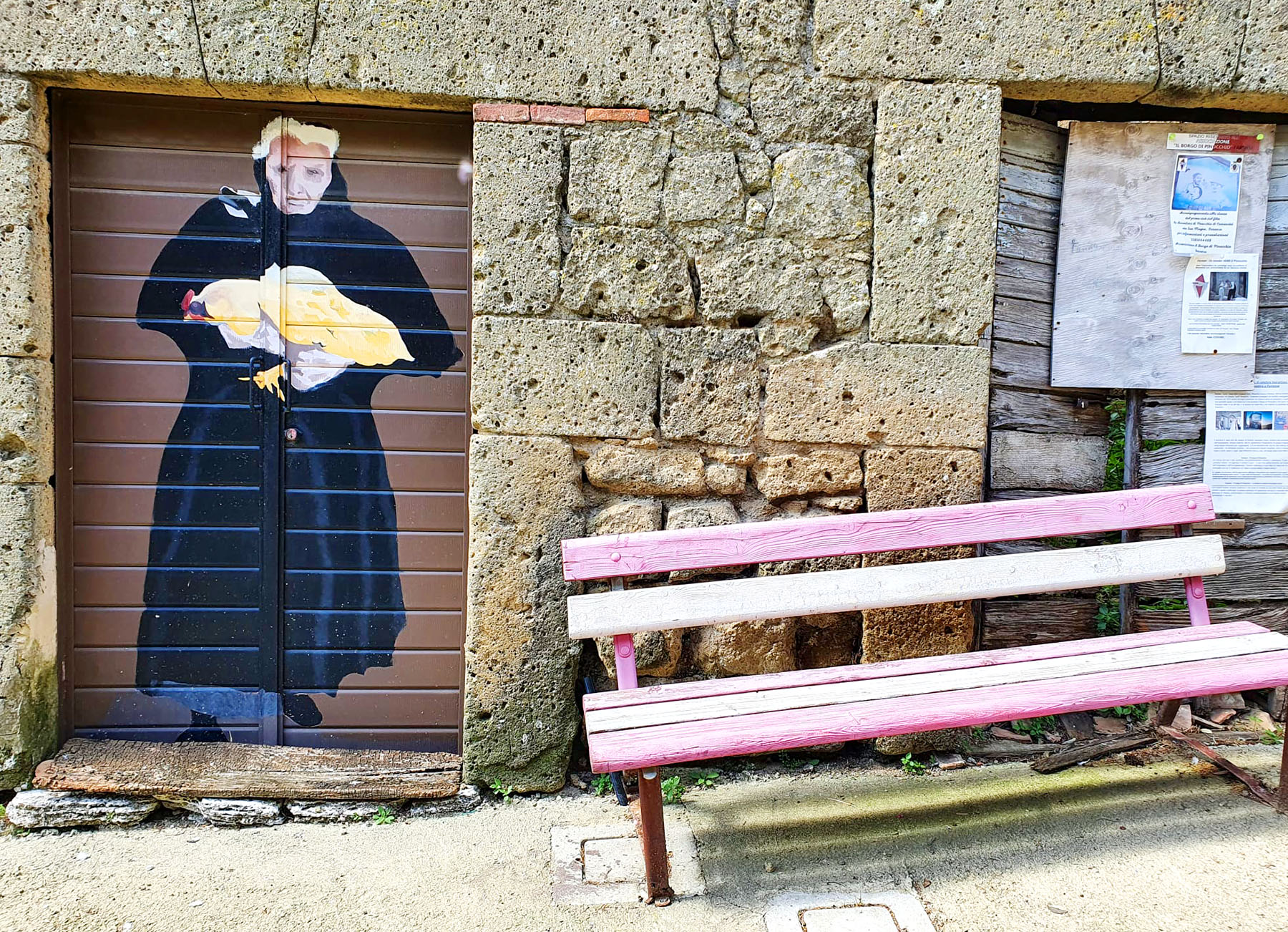
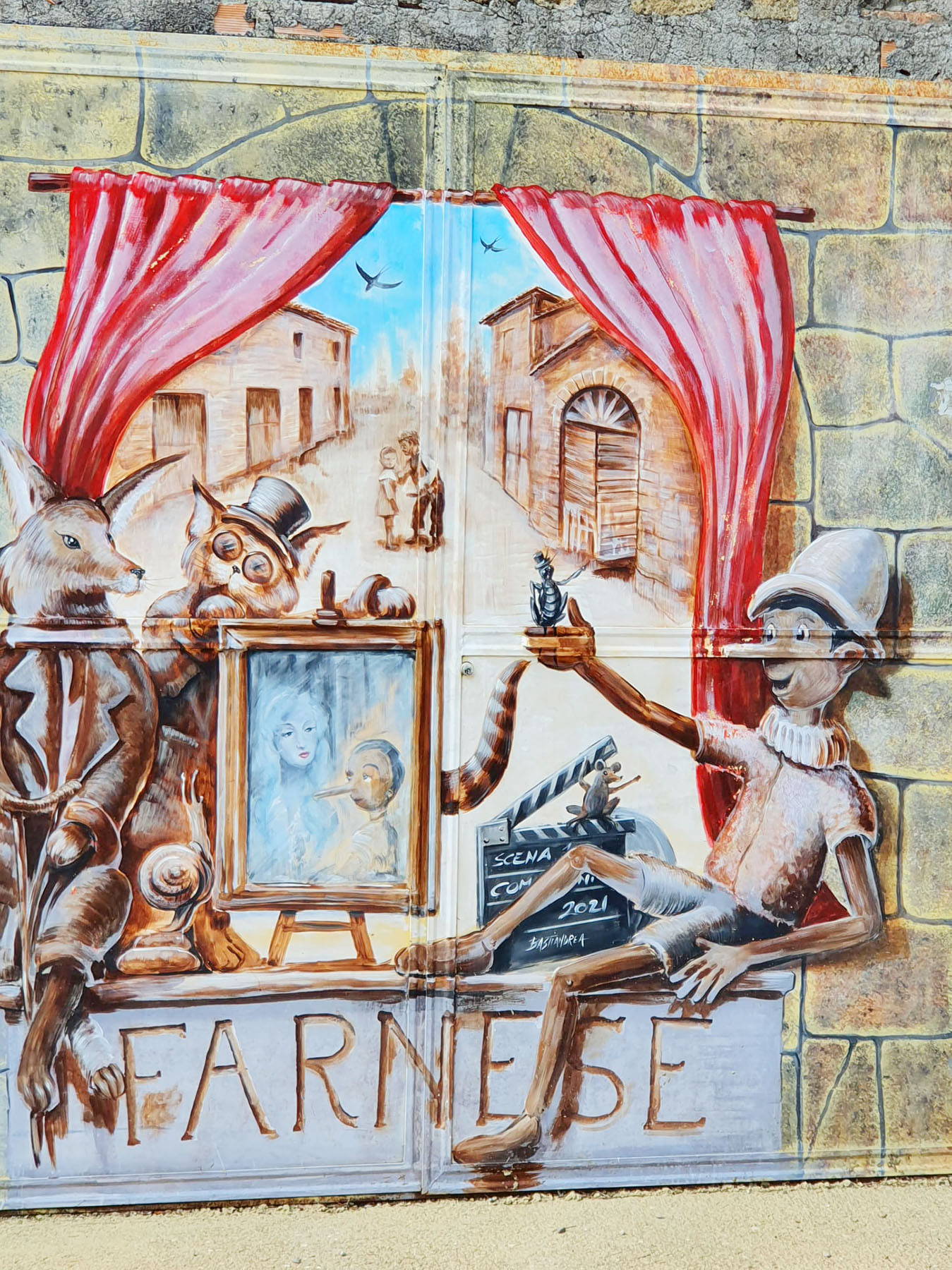
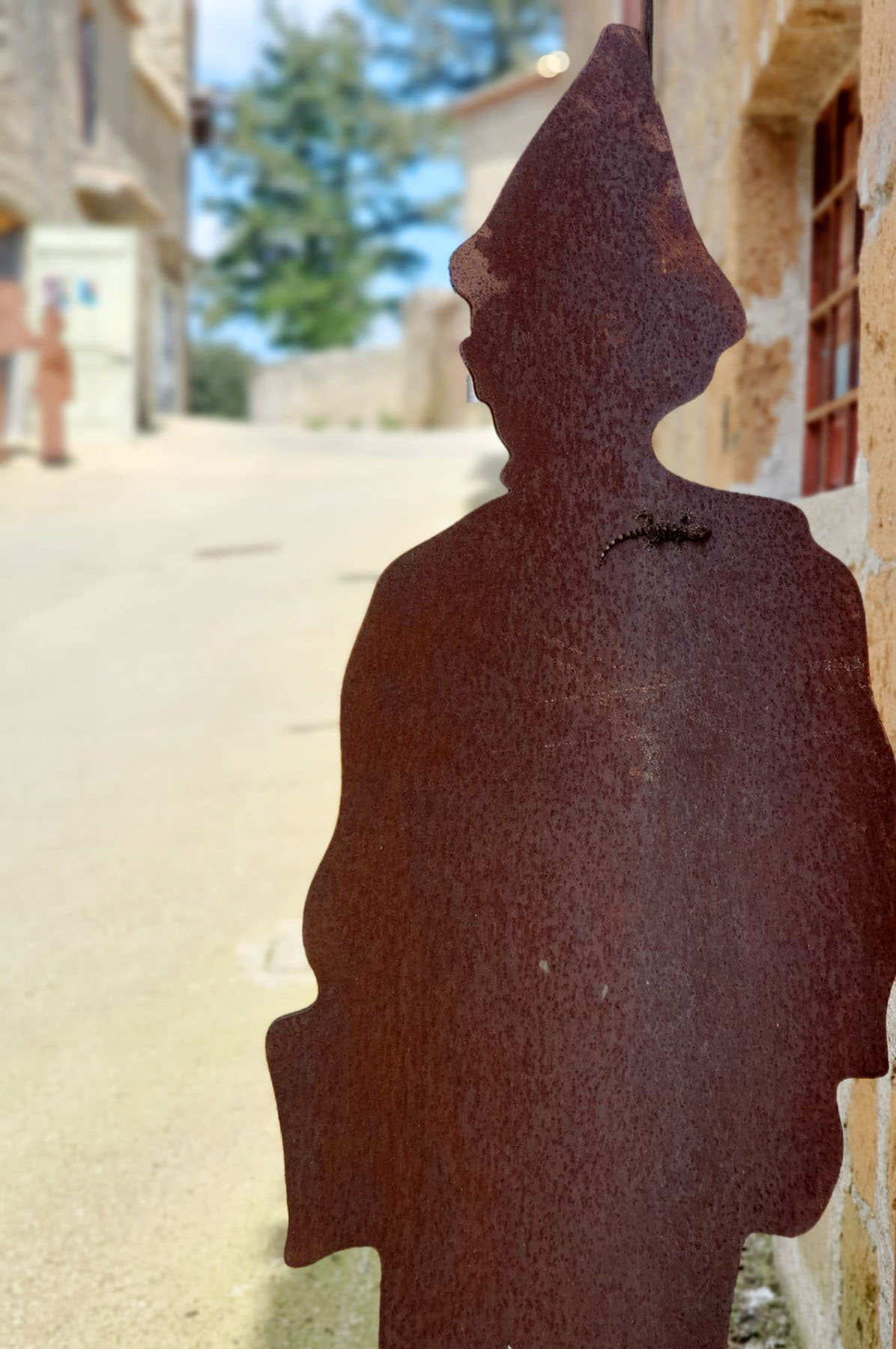
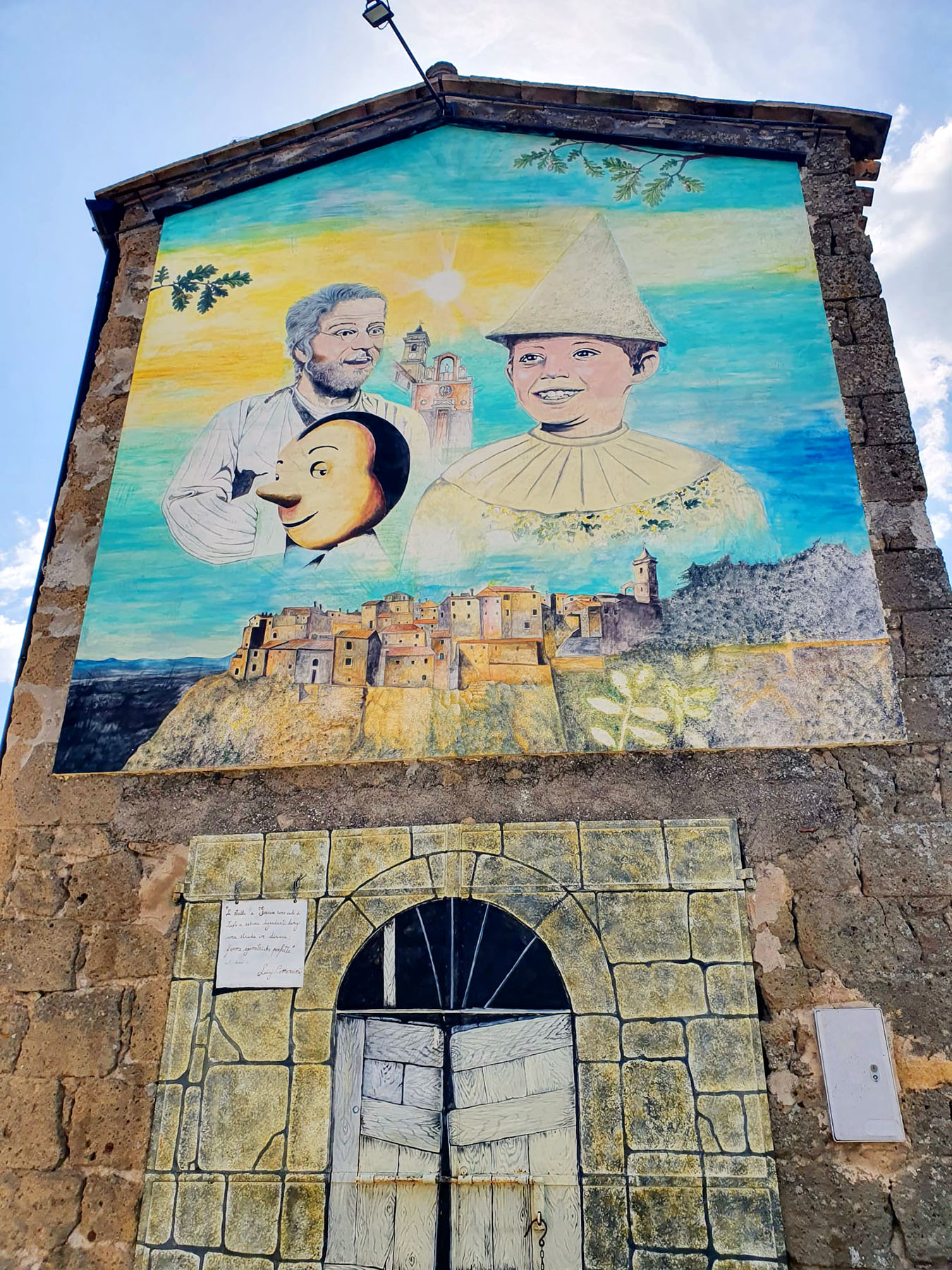
Farnese also has a cinematic identity: in 1971, director Luigi Comencini chose it as one of the main filming locations for his series “The Adventures of Pinocchio” (“Le avventure di Pinocchio”). Today the town is promoted as “Il Borgo di Pinocchio”: you can follow a route of five stops marked with panels featuring film stills, curiosities, and descriptions of the exact shooting locations.
See the page dedicated to Farnese and, on our website, where it’s worth going in the surroundings of Farnese: